
Concrete Bag Calculator
A concrete bag calculator helps you estimate how many 50 lb, 60 lb, and 80 lb bags of concrete you may need based on project dimensions, total volume, and planning assumptions. Use this concrete bag calculator to compare bag counts, review cubic feet and cubic yards, and decide when a small bagged-concrete project still makes sense before moving to ready-mix planning.
Use this concrete bag calculator as a planning tool, then verify the yield printed on the product bag, add extra for waste, and compare bag count against project size before you buy materials.
Bag Calculator
Enter Your Project Dimensions
Use the concrete bag calculator to enter project length, width, thickness, and quantity so you can estimate total concrete volume, cubic yards, and how many 50 lb, 60 lb, or 80 lb bags you may need for the pour. This concrete bag calculator is most useful when you want a fast bag-count estimate before you compare product yield, waste allowance, and total project size.
Bagged Concrete Estimate
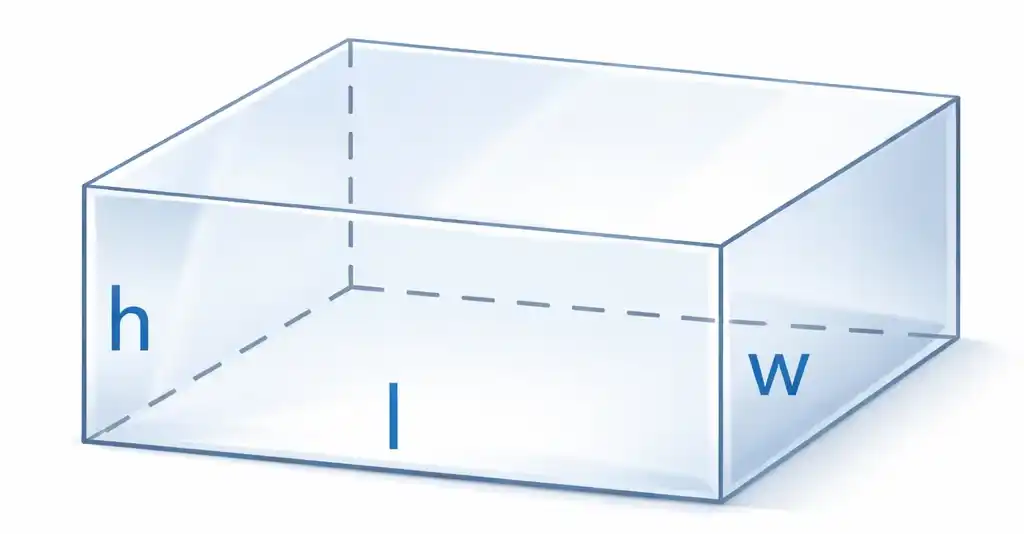
Result Guide
What Your Concrete Bag Calculator Estimate Means
After you use the concrete bag calculator, review project volume, cubic yards, estimated bag counts, and concrete weight together. A concrete bag calculator is most useful when it helps you understand not just the bag number, but also how that bag number relates to volume, order size, and practical project planning.
Volume
Project volume is the base calculation
The concrete bag calculator first estimates total concrete volume before converting that result into bag counts and yardage.
Yardage
Cubic yards help compare bagged concrete with ready-mix
Cubic yards make it easier to understand how the project volume relates to larger concrete orders after you start with the concrete bag calculator.
Bag Sizes
Bag counts change by bag size
50 lb, 60 lb, and 80 lb bags each affect the final estimate differently, so the concrete bag calculator shows multiple bag-size comparisons.
Planning
Actual bag needs can vary
Waste, overpour, uneven grade, and product yield can all affect the final number of bags you need, so use the concrete bag calculator as a planning estimate rather than a perfect purchase total.
How to Calculate Concrete Bags
To use a concrete bag calculator well, first estimate total concrete volume, then compare that volume against the bag size and product you plan to buy. A concrete bag calculator makes this faster by showing bag counts, cubic feet, and cubic yards together in one place.
Examples
Common Concrete Bag Estimate Scenarios
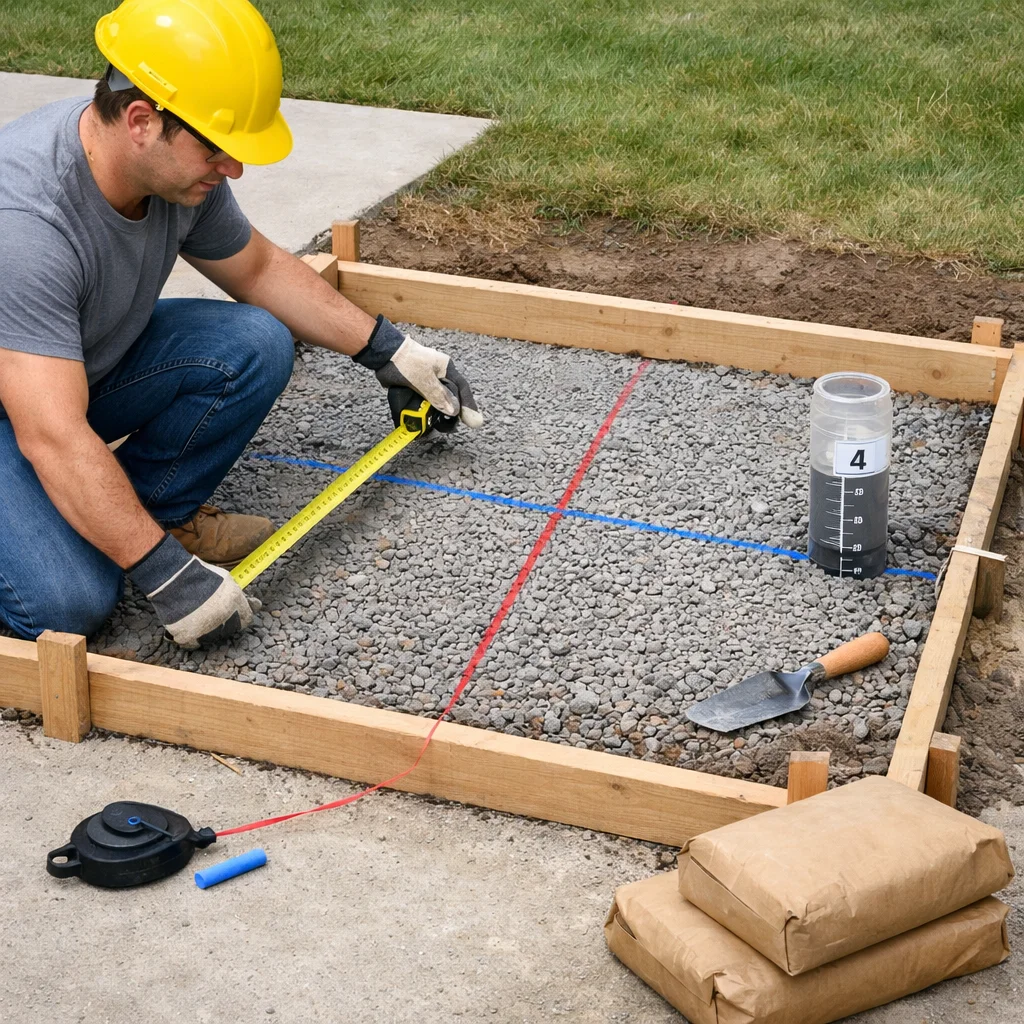
These examples show when a concrete bag calculator is practical and how bag counts can change by project type, project size, and volume. They also help explain when a concrete bag calculator is a better fit than jumping straight to a cubic-yard order.
Formula Basics
Concrete Bag Calculator Formula Basics
Most concrete bag calculator estimates start with a simple volume formula, followed by a bag-size comparison based on planning assumptions. Understanding these formulas helps you use the concrete bag calculator more confidently and compare bag counts against real project volume.
Volume
Volume = Length × Width × Thickness
This formula gives the total project volume before converting the result into bag counts.
Yardage
Cubic Yards = Cubic Feet ÷ 27
This conversion helps you understand how the project volume relates to ready-mix ordering.
Bags
Bag Count = Planning Estimate Based on Volume and Bag Size
The concrete bag calculator compares 50 lb, 60 lb, and 80 lb bag scenarios so you can estimate how many bags may be needed before you verify product-specific yield.
Yield
Different products can have different yields
Concrete bag calculator results are most useful when you verify the product yield printed on the bag you plan to buy and use that information as a final purchasing check.
Planning Notes
Concrete Bag Calculator Estimate Notes
Use concrete bag calculator results as a practical planning estimate. Final bag counts can vary depending on product yield, project conditions, waste allowance, and whether your project is still small enough for bagged concrete to remain practical.
Yield
Bag counts depend on product yield
Always verify the yield printed on the bag before purchasing materials.
Project Size
Bagged concrete is best for smaller pours
Larger projects are often better suited to ready-mix ordering by the cubic yard rather than bag count.
Waste
Waste can increase the total number of bags needed
Spillage, uneven grade, and overpour can all affect the final bag total.
Cost
Need pricing too?
If you also want to estimate total project cost, use our concrete cost calculator for pricing guidance.
Concrete Bag Calculator FAQ
These quick answers explain how the concrete bag calculator works, what the estimate means, and how to use concrete bag calculator results for common small concrete projects.
How many bags of concrete do I need?
The number of bags you need depends on total project volume and the bag size you plan to use. This concrete bag calculator estimates bag counts after calculating the concrete volume from your project dimensions.
How do I calculate concrete bags?
First calculate the total concrete volume for the project, then compare that volume against the bag size you plan to use. A concrete bag calculator does this quickly and shows the result in multiple units.
Does this concrete bag calculator show 50 lb, 60 lb, and 80 lb bags?
Yes. This concrete bag calculator compares 50 lb, 60 lb, and 80 lb bag scenarios so you can review different bag-count estimates more easily.
Why does the calculator also show cubic feet and cubic yards?
Concrete bag calculator results are based on total concrete volume, so cubic feet and cubic yards help explain the estimate and make it easier to compare bagged concrete with ready-mix ordering.
Can I use this bag calculator for slabs, footings, and post holes?
Yes. A concrete bag calculator can help estimate bag counts for many smaller slabs, footings, post holes, repairs, and similar pours where bagged concrete is still practical.
Does bag count depend on brand?
Yes. Different products can have different yields, so final bag totals can vary slightly depending on the brand and mix you buy. Use this concrete bag calculator as a planning estimate, then confirm the actual bag yield before purchase.
Is this for bagged concrete or ready-mix concrete?
This page is mainly for bagged concrete estimates. If your project is large enough for ready-mix delivery, cubic yard estimates may be more useful than bag counts.
Does this calculator include concrete cost?
Not directly. This concrete bag calculator focuses on bag counts, volume, and conversion. Final project cost depends on material price, delivery, waste, and local pricing.
Start Estimating Your Concrete Bags
Use the concrete bag calculator now to estimate total volume, cubic yards, and how many bags of concrete you may need for your next project, then compare those results with the related calculators and guides above.